
Lyndall Gordon, Biographer
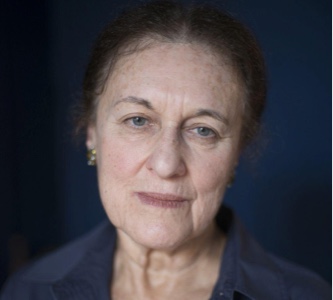
Lyndall Gordon left South Africa for New York where she was a student at Columbia at the time Women’s Liberation took off there in 1970. Afterwards she moved to Oxford through the Rhodes Trust. She is a Fellow of St Hilda’s College, Oxford and the Royal Society of Literature.
Virago has published her seven biographies and two memoirs, including The Imperfect Life of TS Eliot and Lives Like Loaded Guns: Emily Dickinson and her Family’s Feuds. In the U.S. she is published by Norton and Johns Hopkins Press; in China largely by Shanghai Literature & Art.
Awards: The British Academy’s Rose Mary Crawshay Prize; Cheltenham Prize for Literature; Southern Arts Prize; James Tait Black prize for biography
Shortlisted: Duff Cooper Prize and Italy’s Comisso Prize for biography
The Hyacinth Girl: TS Eliot's Hidden Muse
Virago (London) and Norton (New York)
"He loves me - but not in the way usual to men less gifted..."
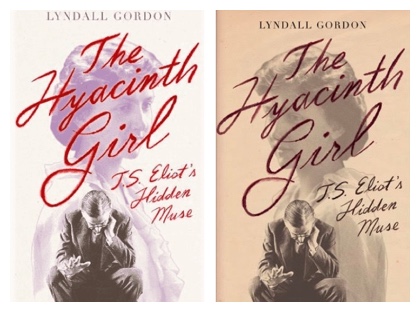
Among the greatest of poets, T.S. Eliot protected his privacy while publicly he associated with three women: his first and second wives and a churchgoing companion. Yet he concealed a longtime love for an obscure American: Emily Hale, a drama teacher to whom he wrote (and later suppressed) more than a thousand letters. Hale was the source of “memory and desire” in The Waste Land.
A hidden Eliot emerges through both sides of the unsealed Hale correspondence, seen also through the eyes of other spirited women who lent themselves to his life and art: Vivienne, the flamboyant wife with whom he shared a private wasteland; Mary Trevelyan, his companion in prayer; and Valerie Fletcher, the young disciple to whom he proposed when his second chance with Emily foundered. Though Eliot kept his women apart, they spurred his transformations as expatriate, convert, and, finally, a man “made for love.”